What Causes Streaks After Pressure Washing a Driveway?
@israelitbw627
November 23, 2026 · 3 min read
Streaks after pressure washing usually come from uneven cleaning, leftover detergent, displaced dirt or damage to the driveway surface. In Lismore, humid conditions encourage algae and other organic growth, which https://trevormgly904.greyhavendaily.com/posts/how-to-remove-algae-from-pavers-without-causing-damage can make differences between cleaned and untreated areas particularly noticeable.
The first step is to let the driveway dry completely. Damp patches can resemble streaks, especially where shade, surface texture or drainage causes uneven drying.
Common Causes of Driveway Streaks
Uneven Pressure and Cleaning Technique
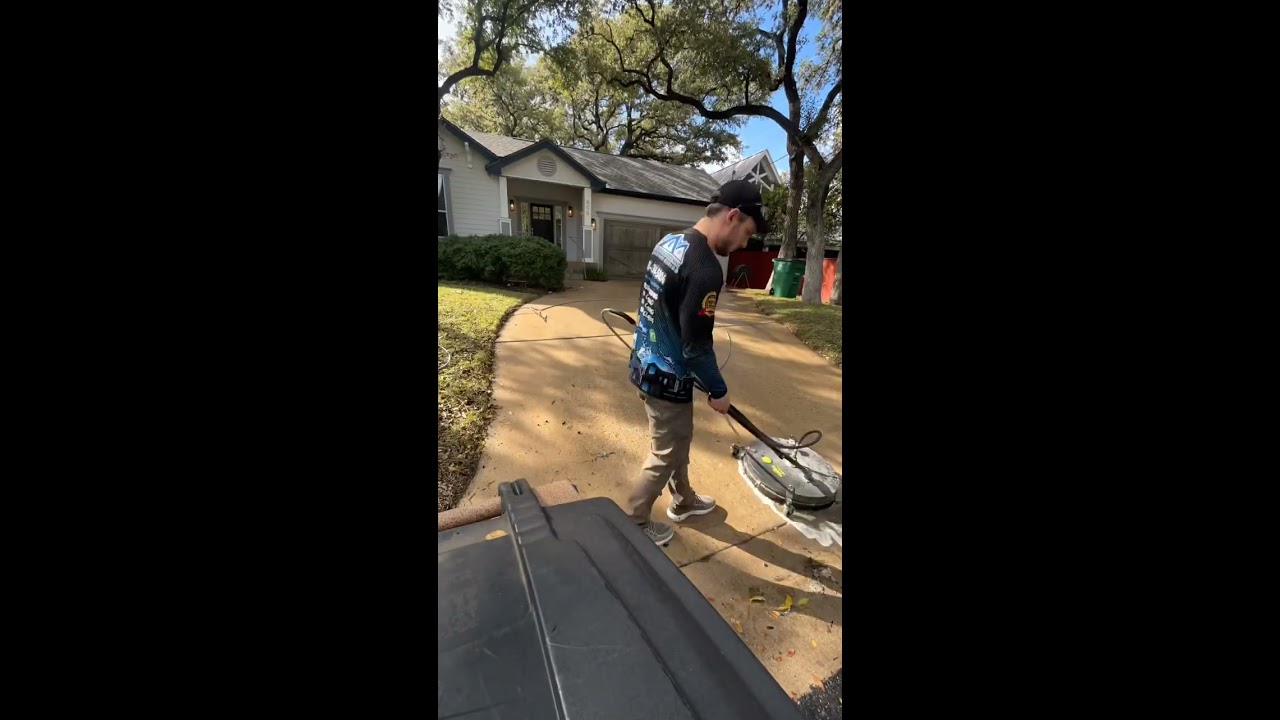
Moving the pressure-washing wand at different speeds or changing its distance from the concrete produces inconsistent results. Narrow spray patterns can leave obvious lines, while missed sections appear darker. Curved marks often follow the movement of the wand.

A surface cleaner matched to the pressure washer’s flow and pressure helps create a more consistent finish. However, moving it too quickly, using worn nozzles or failing to overlap passes can still leave stripes.
Detergent Residue and Dirty Runoff
Cleaning solution that dries before rinsing can leave a film or streaks. Dirty water can also flow across cleaned sections and deposit loosened soil, particularly on sloping driveways or around low spots.
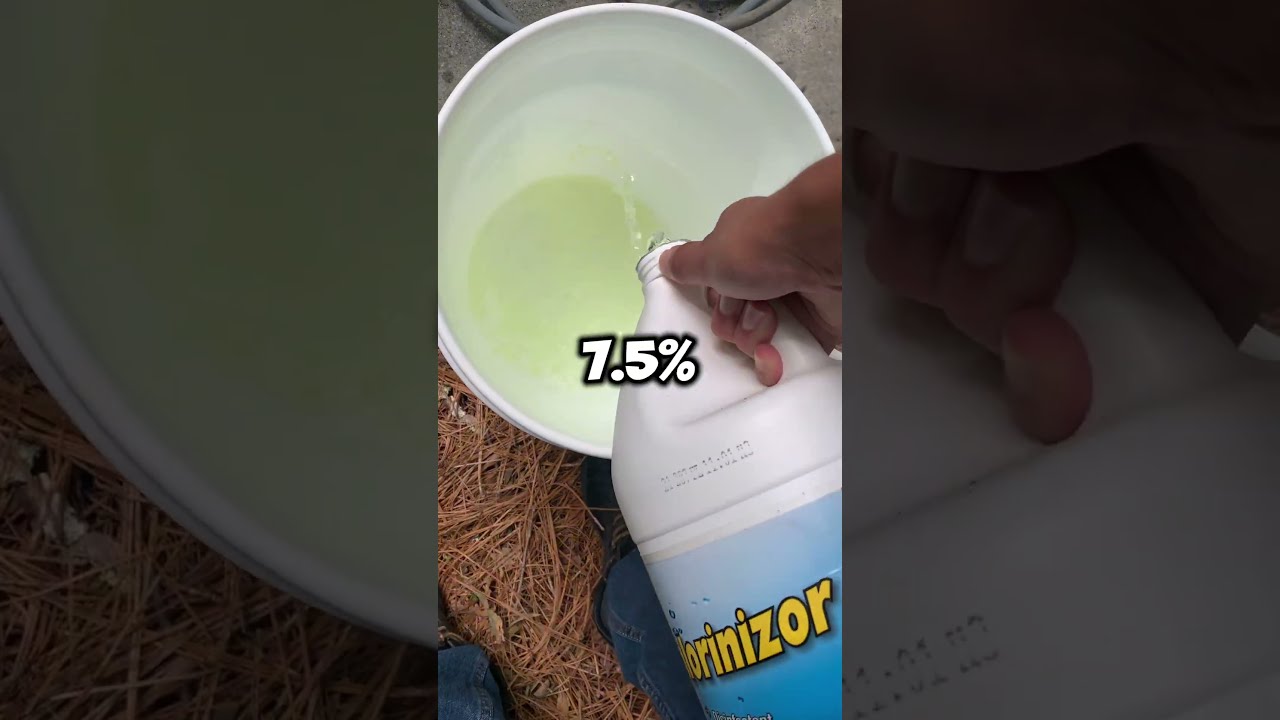
Work in manageable sections, follow the detergent label and rinse before the solution dries. Direct runoff away from cleaned areas, while preventing contaminated wash water from entering stormwater drains.
Algae, Oil and Other Embedded Stains
Pressure washing does not remove every stain equally. Shaded Lismore driveways may have stubborn organic growth, while vehicle parking areas can contain oil embedded in porous concrete. Rust and tyre marks may also remain after surrounding dirt is removed.
These areas often need a suitable, surface-compatible treatment rather than another pass at higher pressure. Identify the stain before choosing a product, and never mix cleaning chemicals.
Surface Damage or Uneven Sealer
Excessive pressure, a nozzle held too close or aggressive cleaning can remove weak cement paste and expose aggregate. This creates permanent light lines or rough patches rather than removable dirt.
On sealed, coloured or decorative concrete, streaks may indicate patchy sealer wear or cleaning damage. Repeated pressure washing can make these problems worse.
How to Check and Address the Streaks
- Wait until the driveway is dry: Compare the marks in consistent daylight.
- Inspect the pattern: Straight stripes suggest uneven passes; downhill trails suggest runoff; rough, pale lines may indicate surface damage.
- Test a small area: Use a compatible cleaner and the least aggressive effective method, following product directions.
- Rinse thoroughly: Remove loosened dirt and residue without pushing contaminated water into street gutters.
- Stop if the texture changes: Seek professional assessment before attempting further cleaning or resealing.
Preventing Streaks on Lismore Driveways
Choose a mild day when cleaning solution is less likely to dry rapidly, and avoid working during rain that could spread contaminated runoff. Sweep first, treat stubborn stains appropriately and maintain a consistent cleaning speed and nozzle distance. Pressure settings should suit the driveway’s material and condition, not simply the machine’s maximum output.
For persistent streaks, a local driveway-cleaning professional can assess whether the cause is residue, embedded staining, sealer failure or etching. Ask about their test-patch process and wash-water containment before work begins.
Lismore Pressure Cleaning
(02) 6617 2969